Celebrate World Emoji Day with Dingbat Font Design
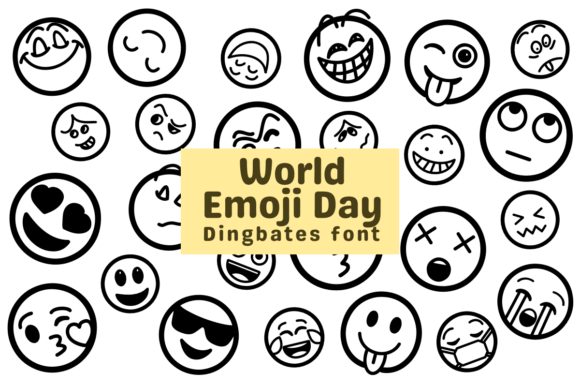
Every July 17th, World Emoji Day celebrates the universal language of icons, but for graphic designers, the real excitement lies in the creative potential of emoji-based typography. A dingbat font with emojis is a type of text style where an emoji replaces each letter or symbol, transforming standard copy into a playful, pictographic narrative. This approach isn't just whimsical; it’s a powerful tool for visual communication that bridges the gap between text and imagery, offering a fresh perspective for modern branding and digital content.
Understanding the Dingbat Emoji Font
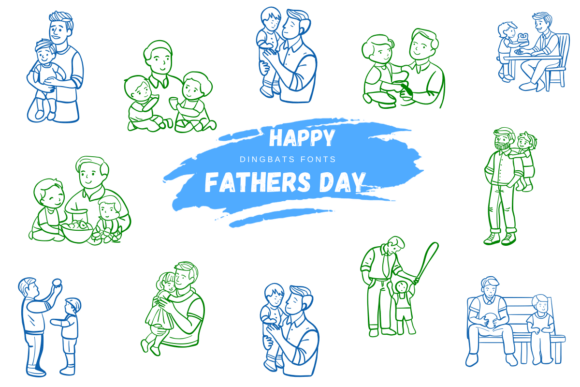
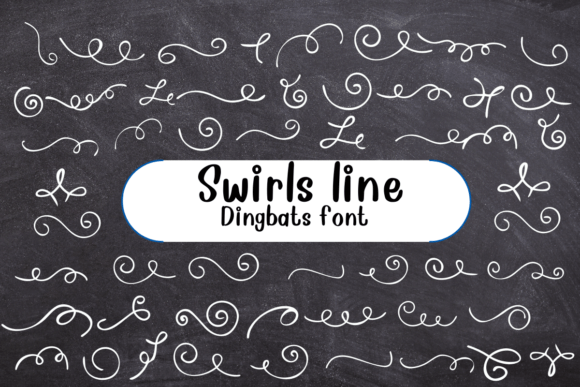
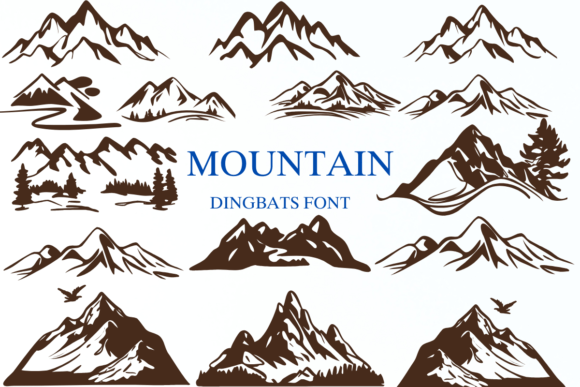
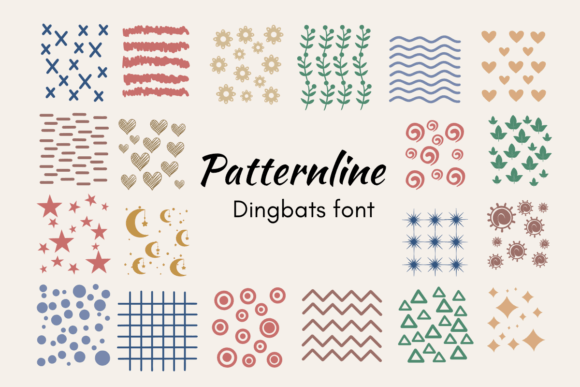
In typography, a dingbat is a ornamental character or symbol. A dingbat font that maps emojis to alphanumeric keys turns the keyboard into a palette of expressive icons. Instead of typing "A," you might get an apple emoji; "H" could become a heart. This creates a typeface that is inherently visual, making it ideal for projects where standard fonts fall short in conveying emotion or thematic depth. For designers, it’s a creative asset that injects personality into any layout.
Practical Applications in Design Projects
The utility of emoji dingbat fonts extends far beyond casual messages. They are versatile tools that can elevate various design contexts:
- Branding and Identity: Use emoji glyphs to create unique monograms, pattern fills, or mascot elements that give a brand a distinct, approachable voice.
- Social Media Graphics: Stand out in feeds by incorporating emoji typography into headlines, stories, or interactive polls, boosting engagement through visual shorthand.
- Editorial and Web Design: Enhance articles, blog posts, or UI elements with emoji-based icons that break up text, guide the reader’s eye, and add a layer of friendly interaction.
- Packaging and Merchandise: Design eye-catching labels, apparel prints, or promotional materials that resonate with a younger, digitally-native audience.
- Presentations and Marketing: Create slides, infographics, or ad campaigns that communicate complex ideas simply and memorably, leveraging the instant recognition of emojis.
Integrating Emoji Typography Effectively
While the style is inherently fun, professional application requires strategic thinking. Consider these factors to ensure your use of dingbat fonts enhances rather than detracts from your design goals:
Readability and Hierarchy: Emoji fonts are best used for headlines, accents, or decorative elements, not for body text. Pair them with a clean, neutral typeface to maintain a strong visual hierarchy and ensure your core message remains legible.
Audience and Context: Evaluate if the playful tone aligns with your target audience and project. A fintech app might use emoji dingbats sparingly for micro-interactions, while a children’s brand could embrace them fully in its visual identity.
Consistency and Scalability: Choose a high-quality dingbat font that offers consistent stroke weights and clear silhouettes at various sizes. Test how the icons render across different mediums—from a tiny favicon to a large poster—to ensure scalability.
Color and Composition: Emojis are inherently colorful. Decide whether to use their native color palette or adapt them to your brand’s color scheme. Thoughtful composition, such as aligning emoji text with supporting imagery, creates a cohesive and polished result.
Elevating Creative Assets with Thoughtful Choices
World Emoji Day reminds us that visual language is evolving. Incorporating a dingbat font into your design workflow is more than a trend; it’s a nod to modern aesthetics and the demand for more expressive digital communication. By selecting high-quality creative assets and applying them with intention—mindful of typography, color, and context—you can craft designs that are not only visually striking but also functionally effective. In a crowded visual landscape, these thoughtful choices strengthen brand identity, improve user experience, and transform ordinary projects into engaging visual stories.