Patternline: Quirky Dingbats Font for Creative Design
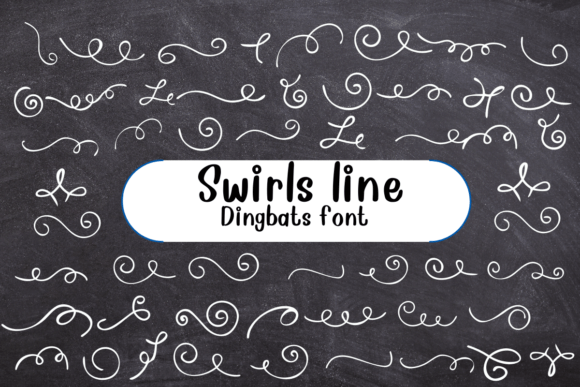
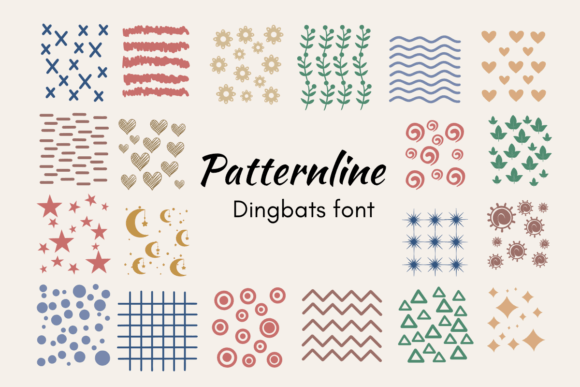
Discovering a unique design asset like Patternline can instantly inject personality and charm into your visual projects. This dingbats font, characterized by its quirky and whimsical theme, offers a delightful collection of decorative elements that can transform ordinary layouts into memorable experiences. As designers constantly seek fresh ways to stand out, Patternline provides a versatile toolkit for adding playful accents, borders, and motifs to a wide array of creative work.
Understanding the Role of Dingbats in Modern Graphic Design
Dingbats fonts have evolved from simple typographic ornaments to essential creative assets in a designer's toolkit. They function as visual shorthand, allowing creators to quickly incorporate icons, patterns, and decorative symbols without the need for custom illustration. In an era where visual communication is paramount, a well-curated dingbats font like Patternline can significantly enhance design workflow, offering instant access to a cohesive set of thematic graphics. This efficiency is crucial for meeting tight deadlines while maintaining a high standard of visual quality and originality in branding, marketing, and digital content.
Practical Applications for Patternline in Your Projects
The true value of Patternline lies in its adaptability across numerous design contexts. Its quirky aesthetic makes it particularly effective for projects aiming to convey approachability, creativity, and a touch of fun. Here are several key areas where this font can make a substantial impact:
- Branding and Logo Design: Use Patternline's symbols to create unique brand marks, secondary logos, or pattern libraries that reinforce a brand's personality. It's perfect for businesses in creative industries, children's products, or artisanal goods.
- Marketing Materials: Enhance brochures, flyers, and email headers with decorative dividers, bullet points, and background textures. This adds visual interest and helps guide the reader's eye through the content.
- Social Media Content: Create engaging Instagram stories, Pinterest graphics, and Facebook posts with eye-catching borders and standalone icons. Consistent use of Patternline elements can help establish a recognizable visual style on social platforms.
- Website and UI Design: Integrate the font's symbols as decorative elements in hero sections, icon alternatives for features, or custom cursors to add a layer of visual delight to user interfaces.
- Editorial Layouts and Packaging Design: From magazine spreads to product packaging, Patternline's motifs can serve as elegant ornaments, chapter markers, or thematic wrappers that enhance the unboxing experience.
Tips for Effective Implementation and Design Consistency
To maximize the impact of Patternline, thoughtful application is key. Start by ensuring the font's playful style aligns with your project's overall tone and target audience. Overuse can lead to visual clutter, so employ its elements strategically to support, not overwhelm, your primary message and typography.
Consider these factors for seamless integration:
- Visual Hierarchy: Use Patternline elements as accents to highlight key information or create focal points, ensuring they complement rather than compete with your main typefaces and content.
- Color and Scalability: Apply your brand's color palette to the symbols for consistency. Test the icons at various sizes to ensure they remain crisp and legible across different media, from mobile screens to large-format prints.
- Compatibility: Pair Patternline with clean, neutral fonts to let its quirky details shine. It works exceptionally well alongside simple sans-serifs or classic serifs, creating a balanced and professional presentation.
In the landscape of contemporary visual design, the details often make the most significant difference. A resource like Patternline empowers designers to elevate their work from merely functional to truly expressive. By thoughtfully incorporating such distinctive creative assets, you can strengthen brand identity, improve user engagement, and deliver designs that are not only visually appealing but also rich with character and intent. The right typography and decorative elements are fundamental to crafting a cohesive and compelling visual narrative.